Source USB Rechargeable Tens Unit for Pain Relief and Muscle Recovery
Compare 30 USB rechargeable tens unit options from verified Chinese manufacturers. These devices offer various modes for pain relief, muscle relaxation, and targeted therapy with rechargeable battery power. Explore specifications including output frequency, modes, and certifications to find the right fit for your business needs.
Key considerations
Products List





Comprehensive Sourcing Guide
USB Rechargeable TENS Unit Sourcing Guide
Procuring a USB rechargeable TENS unit requires a disciplined approach to verifying technical consistency and regulatory compliance. Buyers must treat product listings as initial observations rather than guaranteed specifications, especially when dealing with medical-grade devices intended for pain relief and muscle stimulation. The primary goal is to ensure that the device functions as a reliable therapeutic tool while meeting the specific operational requirements of your target market. This involves scrutinizing the power source, output frequency, and physical durability of the unit before committing to volume orders.
The market offers a wide range of configurations, from compact handheld devices to multi-channel systems with touch screens. Understanding the observed listing signals helps in narrowing down the appropriate product tier for your business model. For instance, some units are designed for specific target areas like the eyes, while others offer broad body coverage with multiple massage modes. By aligning the device's features with your end-user's needs, you can avoid over-specifying or under-delivering on performance expectations. This strategic alignment ensures that the procurement process remains efficient and focused on value.
Product Scope and Observed Listing Signals
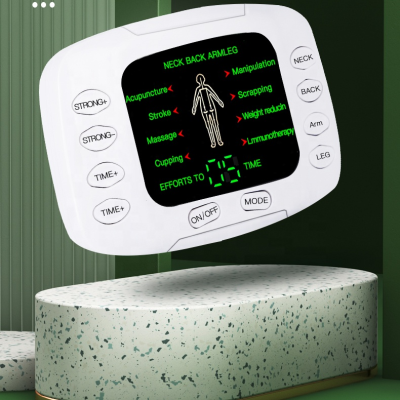
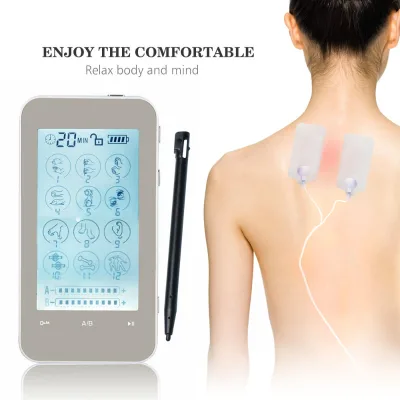
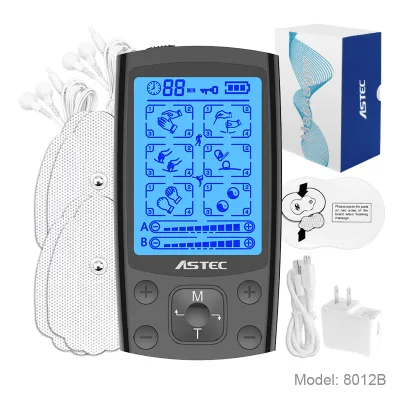
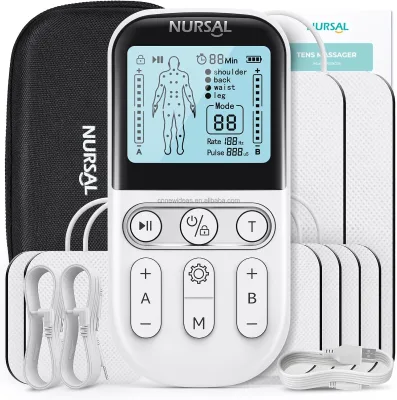
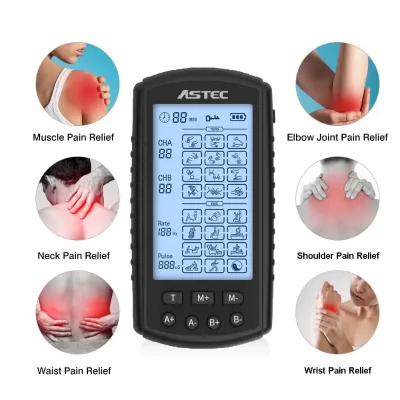
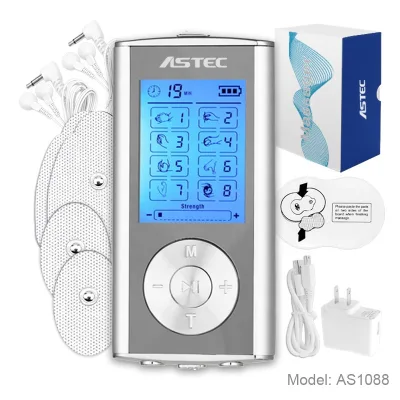
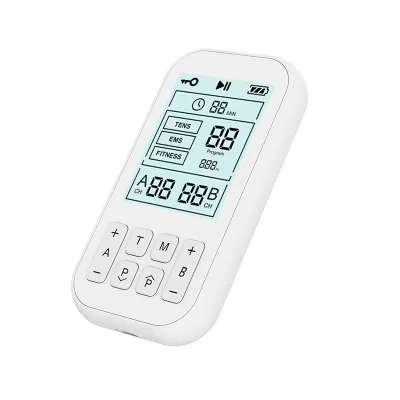
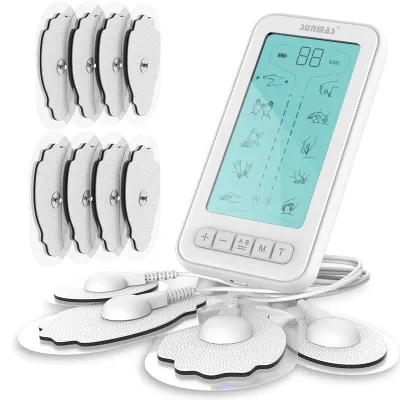
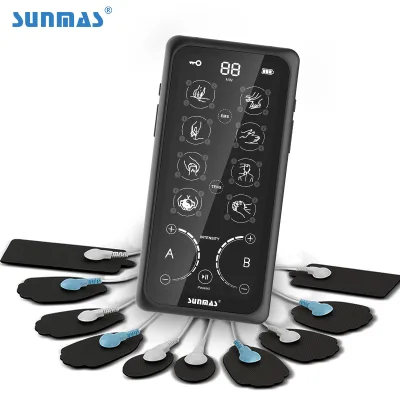
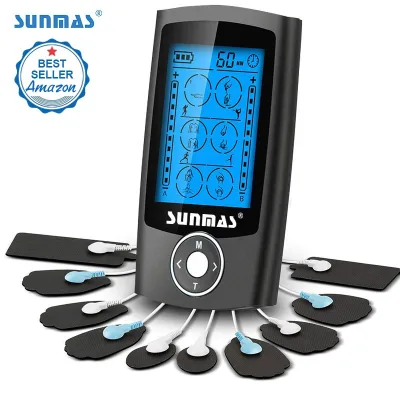
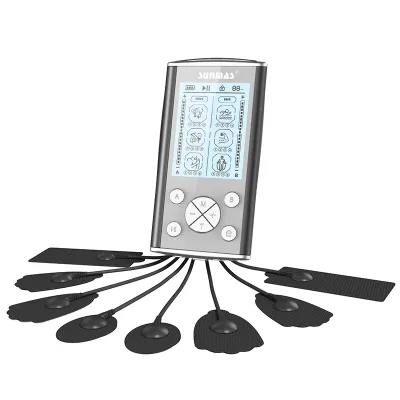
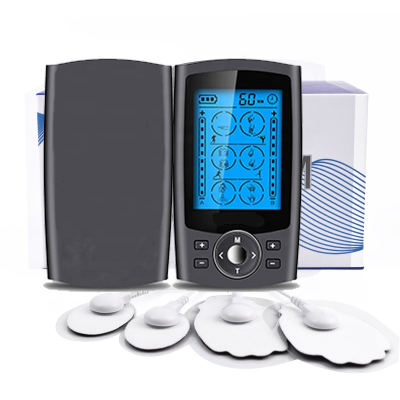
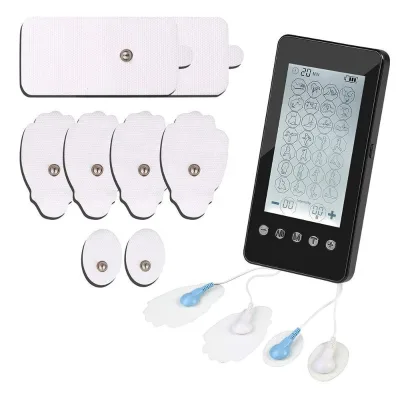
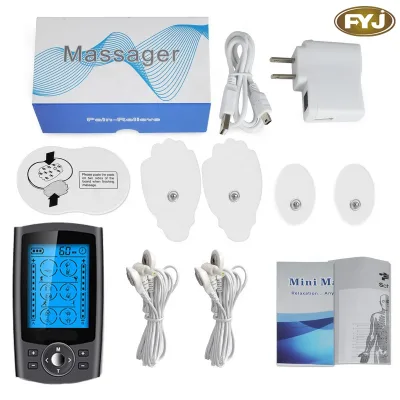
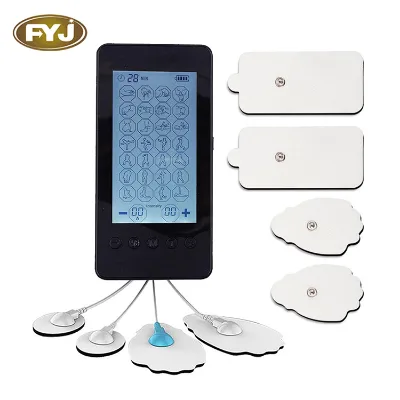
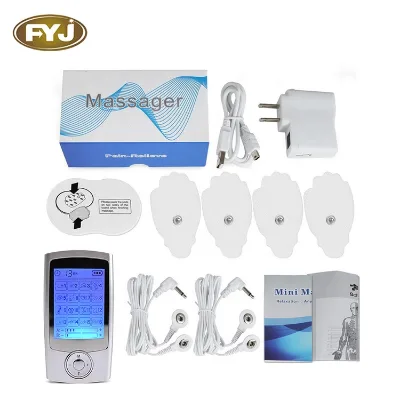
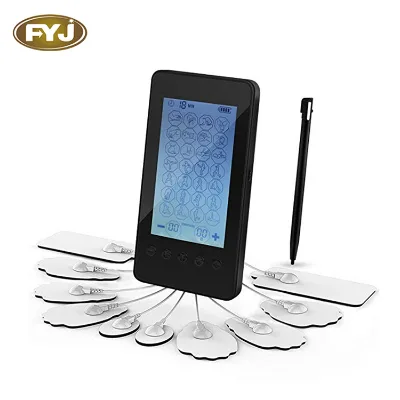
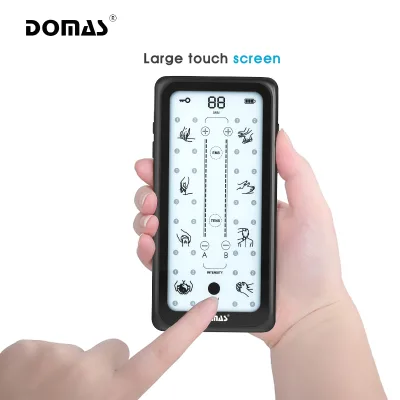
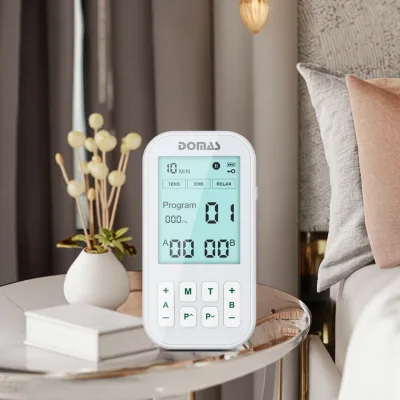
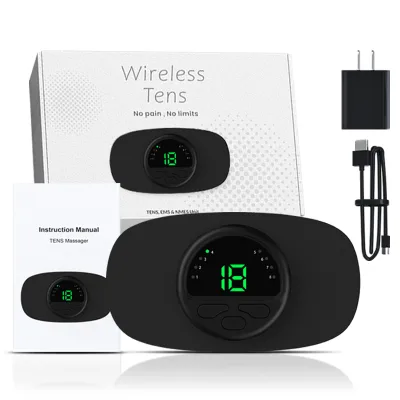
The observed product scope includes devices with varying form factors, such as handheld units and compact portable designs. Listings indicate features like 12 massage modes and two-channel capabilities, which suggest versatility in application. Some models feature a 4-inch touch screen, enhancing user interaction, while others rely on simpler button controls. Buyers should note that the target area can be specific, such as the eyes, or general, covering the entire body. This diversity means that the "USB rechargeable" attribute is a common baseline, but the functional scope varies significantly between suppliers.
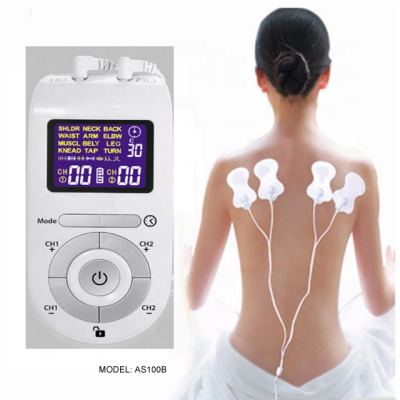
When evaluating these signals, focus on the consistency of the product name and model number across different listings. For example, model numbers like AS2015 or AS100B appear in the data, indicating specific product lines. The presence of features like "Pure Natural Therapy" or "Intermediate frequency pulse" suggests marketing angles that may influence consumer perception. However, buyers must verify that these marketing terms correspond to actual technical capabilities. By cross-referencing the listed features with the physical product, you can identify discrepancies that might affect customer satisfaction and return rates.
Technical Specifications to Verify
Technical verification begins with the power supply and battery capacity. Listings specify a rated voltage of 4.5V or DC5V with a 500mAh lithium battery, which impacts the device's operational duration. The rated working time is typically between 5 and 30 minutes, but some applications allow for up to 60 minutes of adjustable time. Buyers must confirm that the USB recharge mechanism is compatible with standard chargers and that the battery life meets the expected usage patterns. Inconsistent power specifications can lead to premature battery degradation, affecting the product's longevity and user experience.
Output frequency is another critical specification, with observed ranges from 1 to 120Hz. This range determines the type of stimulation provided, whether for pain relief or muscle relaxation. The device's power consumption is noted at 0.15W, which is relatively low, but buyers should verify the efficiency of the power management system. Additionally, the physical dimensions, such as 16.9x11x3.5cm or 564826mm, affect portability and packaging. Ensuring that the size and weight, often around 0.17kg, align with your logistics requirements is essential for cost-effective shipping and storage.
Compliance and Safety Documentation
Compliance documentation is paramount for medical devices, and buyers must request evidence of adherence to relevant standards. The supplied context mentions the execution standard GB4706.10-2003, which is a Chinese national standard for safety. However, for international markets, buyers should verify if the device meets other regional requirements, such as CE marking or ISO13485 certification. The presence of "Medical CE" and "ISO13485" in the certification field suggests that some suppliers are prepared for international compliance, but this must be independently verified through official certificates.
Safety features, such as waterproofing, are also critical. Listings indicate that the device is not waterproof, which limits its use in certain environments. Buyers should ensure that the product labeling clearly states this limitation to prevent misuse. Additionally, the material composition, typically ABS and stainless steel, should be checked for skin compatibility and durability. Requesting test reports for electrical safety and electromagnetic compatibility will help mitigate the risk of product recalls and ensure that the device meets the necessary safety thresholds for consumer use.
Cost Drivers and Commercial Terms
Cost drivers for USB rechargeable TENS units include the complexity of the control system, battery capacity, and packaging quality. Devices with touch screens and multiple modes generally command a higher price point than basic models. The observed price range in USD is between 0.1 and 35, but this wide range reflects the diversity in product features and supplier margins. Buyers should request detailed quotations that break down the cost of the device, accessories, and packaging. Understanding these components allows for better negotiation and cost optimization.
Commercial terms, such as MOQ and lead times, also impact the total cost of ownership. The observed MOQ range is 1 to 10,000 pieces, offering flexibility for both small and large orders. However, higher MOQs often come with lower unit prices, so buyers should balance inventory needs with cash flow constraints. Lead times, such as 30 days after deposit, must be factored into the procurement schedule to ensure timely delivery. By negotiating favorable terms and understanding the cost structure, buyers can achieve a competitive advantage in their market.
Supplier Qualification and Quality Control
Supplier qualification involves assessing the manufacturer's production capabilities and quality control processes. The supply ability of 20,000 pieces per month indicates a significant production capacity, which is suitable for large-scale orders. Buyers should verify the supplier's experience in manufacturing medical devices and their track record of delivering consistent quality. Requesting samples for pre-production testing is a standard practice to ensure that the final product meets the specified requirements. This step helps identify any potential issues before mass production begins.
Quality control measures, such as online technical support and after-sale service, are also important considerations. The availability of technical support can help resolve any issues that arise during the product's lifecycle. Buyers should inquire about the warranty period, which is listed as one year, and the terms of the warranty. Additionally, the port of dispatch, such as Shenzhen, affects logistics and shipping costs. By selecting a supplier with robust quality control and reliable after-sale support, buyers can minimize the risk of product defects and ensure customer satisfaction.
Long-Term Procurement Checks
Long-term procurement checks involve monitoring the supplier's performance and maintaining a stable supply chain. Regular audits of the production facility can help ensure that quality standards are consistently met. Buyers should establish key performance indicators, such as defect rates and on-time delivery, to evaluate the supplier's performance over time. This ongoing assessment allows for timely interventions if issues arise and helps in building a long-term partnership with the supplier.
Additionally, buyers should stay informed about changes in regulatory requirements and market trends. Updates to standards or new safety regulations may require modifications to the product design or documentation. By maintaining open communication with the supplier and staying proactive in compliance efforts, buyers can ensure that their product remains competitive and compliant. This strategic approach to long-term procurement helps in mitigating risks and maximizing the value of the investment in USB rechargeable TENS units.
FAQs
How long does the battery last on the TENS unit?
The rated working time ranges from 5 to 30 minutes per session. This rechargeable device features a lithium battery that supports portable use for pain relief therapy sessions without needing constant power connections.
What certifications does this TENS machine have?
This product holds ISO13485 and Medical CE certifications. These standards ensure the device meets specific safety and quality requirements for medical-grade electrical stimulation equipment used for body pain relief and muscle therapy.
Can I use this unit for eye pain relief?
Yes, the target area for this device includes the eyes. It is designed as a multifunctional frequency physiotherapy instrument to help relax and relieve muscle tension in specific areas like the eyes using intermediate frequency pulses.
What is the power supply mode for this massager?
The unit operates via USB rechargeable power supply. It utilizes a DC5v 500mah battery system, allowing users to charge the device conveniently and use it as a portable pain management tool anywhere.
Which materials are used to build this TENS device?
The device is constructed from ABS plastic and stainless steel materials. This combination ensures durability while maintaining a lightweight design, making it suitable for handheld application during various physiotherapy and muscle stimulation routines.
How many massage modes does the unit offer?
The machine provides 12 distinct massage modes across two channels. These modes allow users to adjust settings for different pain relief needs, ensuring a versatile experience for managing body soreness and muscle tension effectively.
What is the output frequency range of this stimulator?
The output frequency ranges from 1 to 120 Hertz. This adjustable range enables the device to deliver intermediate frequency pulses that go deep into sore spots for effective pain management and muscle relaxation therapy.
Where is this TENS machine manufactured?
The product originates from Beijing, China, with some models from Guangdong. It is supplied by manufacturers capable of delivering 20000 pieces per month, ensuring availability for bulk orders and international distribution needs.